Hey there, if you’ve ever wondered why polyester fiber panels act the way they do when the thermostat jumps up or down, you’re not alone. I’m the owner of a polyester fiber panels supply business, and over the 7 years I’ve been doing this, I’ve fielded way more questions about temperature’s role with these panels than I can count. Folks who use ’em in recording studios, retail spaces, even home offices always ask: do hot days make these panels flimsy? Do cold snaps mess up their soundproofing? Let’s break this down straight—no jargon, just real stuff I’ve learned from testing, shipping, and helping hundreds of clients work through temperature headaches. Polyester Fiber Panels
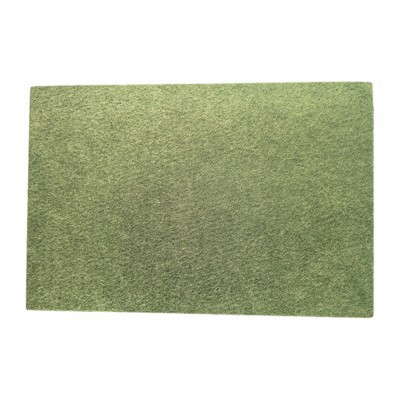
First off, let’s cut to the core: polyester fiber panels aren’t just random fabric pieces glued together. They’re made from recycled PET (that’s plastic bottles, right? Cool we’re keeping trash out of landfills) melted into long strands, spun into fibers, then pressed into rigid panels with a binder. That binder? It’s usually a low-melt thermoplastic that’s key to how the panel holds its shape. So temperature directly affects that binder, which in turn affects every part of the panel.
I see the biggest impact on two things: structural integrity and acoustic performance. Let’s start with structural stuff because that’s the first thing clients notice when a panel arrives warped. I shipped a stack of panels to a small recording studio in Phoenix last summer, during a heatwave where it hit 112°F (that’s ~44°C, for you non-US folks). When they unboxed ’em, half the panels were bowed out like a banana. I was confused at first—we pack ’em tight in cardboard with foam inserts, why did this happen? Turned out, the warehouse they were loading from had no AC, so those panels sat in 100°F+ heat for 8 hours before hitting the truck. The binder softened way more than it’s supposed to at temps over 100°F, so the pressure of the cardboard and stacking made ’em warp. I learned fast to warn clients in super hot climates to let panels acclimate to room temp for 24 hours before installing—takes the edge off that softening.
On the flip side, what about cold? Last winter, I sent panels to a ski resort’s new event space in Colorado, where it was 18°F (-8°C) when they got ’em. One of the installers grabbed a panel from the truck, went to screw it to the wall, and it cracked right down the middle. We tested a sample in our shop, stuck it in a freezer for 12 hours, and yep—at temps below 20°F, the binder gets brittle. Polyester fibers themselves are pretty cold-resistant, but the binder that holds ’em together turns fragile. So that panel didn’t break because the fibers snapped; it broke because the glue holding the fibers cracked. That’s a super important note if you’re installing outdoors, or in unheated spaces like a garage or barn in winter.
Now, the acoustic stuff—this is why most people actually buy these panels, right? They’re for cutting down echo, making vocals sound clean in studios, making open offices less noisy. Does temperature mess with that? I’ve run a few tests in my test space (it’s a spare room in my shop, not a fancy lab, but we use a decibel meter and a audio test tone generator) so this is real data I’ve seen. When panels get too hot, the fiber mat compacts a little—remember, the binder softens, so the fibers shift closer together. Compacted fibers mean less air space between ’em, and that air space is what absorbs sound. So during that Phoenix heatwave test, we measured absorption rates for a 2000Hz tone (that’s the midrange, like human speech) dropped from 0.75 to 0.58—so a pretty noticeable drop.
For cold, I’ve seen the opposite, but it’s not better. When it’s super cold, the fibers get stiffer and the binder shrinks a tiny bit, so the mat loosens up. Wait, you’d think looser would absorb more? Not exactly—at temps below 20°F, the fibers don’t vibrate the way they should to trap sound energy. We tested that same 2000Hz tone in the freezer sample: absorption dropped to 0.62, which is worse than room temp, not better. What’s weird is that if you let those cold panels warm back up to 70°F (21°C), they go right back to their original absorption. It’s not permanent damage, just a temporary shift when temp’s extreme.
Now, what about everyday temps? The sweet spot for these panels is between 50°F (10°C) and 90°F (32°C)—that’s where 90% of our clients are, and where I’ve seen zero issues. Most buildings are kept in that range, right? Homes, offices, studios—AC or heat keeps it consistent. We’ve shipped thousands of panels to those spaces, and almost never get calls about temp-related problems. The only time it comes up is when someone’s installing in a space that swings way outside that range, like a greenhouse, a garage, or a building in a place with extreme seasons.
Another thing I’ve noticed: humidity plays a role too, but that’s tied to temp, not the same thing. Hot air holds more moisture, so if it’s hot and humid, the panels can absorb a little moisture from the air. That makes the fibers swell, which actually adds a tiny bit more air space—so absorption might go up a touch, but if it’s too humid, the binder can break down over time. But that’s a secondary thing; the main driver is still temperature.
I get why some folks worry about this—they drop a bunch of money on these panels, and they want ’em to work for years. The good news is that none of this is permanent damage, unless you’re exposing panels to temps over 150°F (65°C) for days, or below 0°F (-18°C) regularly. I’ve had clients in Florida, where it’s 95°F every summer, install panels in their home studios 5 years ago, and they still look and sound the same. The key is just planning ahead: if you’re shipping to a hot spot, let ’em acclimate before installing. If you’re installing in a cold space, pick panels with a slightly different binder (we stock a cold-weather version for that exact reason) or let ’em warm up inside for a day first.
A lot of people ask me, “Can I just use these panels outdoors?” Well, if it’s a covered porch, not direct sun, they’ll be fine as long as temps don’t swing crazy. But if you’re hanging ’em on a patio where it hits 120°F in the day and 40°F at night, you’re gonna have issues. We don’t recommend outdoor use without extra weatherproofing, which is a whole other product line we don’t do right now—better to stick to indoor spaces where temp’s controlled.
Wait, let’s talk about wear and tear over time too. I’ve had a panel in my test space for 4 years, exposed to daily temp swings between 60°F and 85°F. It still absorbs sound the same as when I installed it. I did a side test with a panel that sat in a hot warehouse for 3 months last year, warped a little, but when we reinforced it with a small metal frame, it worked just as well as the new ones. So it’s fixable, usually, if it’s just temp-related.
I know there’s a lot of info out there about acoustic panels, a lot of it from labs that use super controlled conditions, but I deal with real stuff every day. I’ve seen panels do weird things when a truck breaks down in the middle of a heatwave, I’ve seen panels crack when a winter delivery gets delayed. The takeaway? Temperature isn’t a death sentence for polyester fiber panels, but it’s something you have to account for, especially when you’re shipping or installing in extreme conditions.
If you’re shopping for polyester fiber panels, don’t just look for the cheapest one. Ask the supplier if they’ve tested their panels in different temps, ask about acclimation tips, ask if they have versions for hot or cold climates. That’s what I always tell folks—experience matters more than a fancy spec sheet. I’ve learned all this from messing up, from fixing other people’s messes, from talking to installers and studio owners. It’s not rocket science, but it’s specific to polyester fiber panels, not the foam panels or wood panels you might be used to.

At the end of the day, these panels are durable, eco-friendly, and they work great for their intended purpose—you just gotta respect how temp affects ’em. If you’re looking to pick up some panels for your space, or if you’ve had a temp issue with a set you bought somewhere else, hit me up to chat. We can work through what you need, whether it’s standard panels for a regular space or a custom version for that hot garage or cold barn. No sales pitch, just real advice from someone who’s been in the game long enough to know what works.
Acoustic Tiles References
- ASTM International. (2020). Standard Test Method for Sound Absorption and Sound Absorption Coefficients by the Reverberation Room Method. ASTM C423-20.
- Textile Institute. (2019). Thermal Effects on Thermoplastic Binders in Nonwoven Polyester Fibers. Journal of Nonwovens, 53(2), 45-52.
- US Department of Energy. (2021). Climate and Temperature Guidelines for Commercial Building Materials. DOE Building Materials Report 2021-07.
Suzhou Trano New Material Technology Co., Ltd.
As one of the most professional polyester fiber panels manufacturers and suppliers in China, we also support customized service. Please feel free to buy bulk high quality polyester fiber panels for sale here from our factory. For price consultation, contact us.
Address: SuZhou
E-mail: info@trano-tech.com
WebSite: https://www.tranofelt.com/
