If you’ve ever stood in the motor oil aisle of a auto parts store, squinting at bottles labeled “5W-30”, “10W-40”, “full synthetic”, or “high mileage”, you’ve probably wondered why there are so many options. As someone who’s spent the last 12 years working as an automotive lubricant supplier—talking to mechanics, fleet managers, and everyday drivers every week—I can tell you the biggest variable most people miss is how they actually drive. City driving and highway driving aren’t just different on paper; they’re two completely different operating environments for your engine, and that means they need very different lubricants to keep everything running smoothly. Let’s break this down without the engineering jargon, using real stuff I’ve seen firsthand from our customers. Automotive Lubricant

First, let’s talk about what happens to an engine when you’re driving in the city. I’m talking about stop-and-go traffic, red lights, short trips that take less than 10 minutes to get from home to the grocery store or your kid’s school. A few years back, I had a regular customer who was a high school bus driver, and she’d come in every month to buy extra oil for her fleet. I asked her why she was going through oil so fast, and she said those buses never get out of the city—they’re stopping every block all day. That’s the first big point about city driving: it’s full of “cold starts.” When your engine’s been sitting overnight, or for a few minutes at a red light, the metal parts in your engine (pistons, camshafts, bearings) aren’t coated in oil yet. It takes 30 to 60 seconds for the oil pump to push lubricant everywhere when you turn the key. In a city drive, you’re turning the key, driving a block, stopping, idling at a light, then driving another block—so you’re doing these cold starts over and over. That’s way harder on oil than a highway drive, where you might start the engine, drive for an hour straight without stopping.
Another thing about city driving is heat. Not just the general engine heat, but something called “low-temperature sludge buildup.” When you do short trips, the engine never gets hot enough to burn off the moisture and unburned fuel that seeps past the piston rings into the oil pan. Over time, that mixes with the oil and turns into a thick, black sludge that clogs up oil passages, starves parts of lubricant, and can lead to engine damage. I’ve seen old oil from a city driver that looked like tar, compared to oil from a highway driver of the same car that looked almost new after 5,000 miles. That sludge is one of the biggest reasons city drivers need a lubricant that can handle both cold starts and fight that buildup.
Now let’s shift to highway driving. When you’re on the highway, you’re running your engine at a constant, high RPM (revolutions per minute) for long stretches. That’s a totally different load on the engine. Think of it like walking around your house all day vs. running a marathon: constant, steady high effort. The oil in a highway engine has to handle more pressure, higher sustained temperatures, and it’s also exposed to less of that moisture and sludge because the engine is running hot for long periods. But highway driving has its own unique demands. For one, at constant high speeds, the oil is working harder to lubricate moving parts that are under constant load. Also, highway driving often means higher speeds, so there’s more air flow through the engine, but also more stress on components like the turbocharger (if you have one) or the transmission parts that are working nonstop. I work with a long-haul trucking company, and their drivers put 10,000 miles a month on the highway. Their oil doesn’t have to fight as much sludge, but it has to handle extreme heat and consistent pressure to keep going without breaking down.
Let’s get into the science a bit, but keep it real. The first thing to understand about lubricant grades is the viscosity, which is just a fancy word for how thick the oil is. The number before the W (which stands for winter) is how the oil performs in cold temperatures, and the number after is how it performs at high operating temperatures. For city driving, most drivers need a lower viscosity oil, like 5W-30 or 0W-20. Why? Because that thinner oil flows faster during cold starts, so it gets to all the engine parts quicker, reducing wear during those repeated start-stop cycles. But wait—some drivers think thinner oil is bad for highway driving, right? No, not if it’s formulated properly. The key is the additives in the oil, not just the base viscosity. A good synthetic 5W-30 for city driving will have additives that fight sludge, resist breakdown from the short trips, and still hold up to the moderate heat from stop-and-go traffic.
For highway driving, depending on the vehicle, you might need a slightly higher viscosity, like 10W-40 or even 15W-40 for older vehicles or heavy-duty trucks. The thicker oil works better at the constant high temperatures and pressures of highway driving, so it doesn’t thin out too much and lose its lubricating properties. But that doesn’t mean highway drivers can’t use synthetic oil—far from it. Synthetic lubricants are engineered to handle extreme conditions, and for highway drivers who put on a lot of miles, synthetic oil often lasts longer, so they don’t have to change it as often. I had a customer who drove a 2018 pickup for his construction business, putting 1,200 miles a week on the highway between job sites. He was using conventional oil at first, changing it every 3,000 miles, then we switched him to a full synthetic 10W-40, and he was able to go 7,500 miles between changes, and his engine had less piston wear when we checked it during a routine maintenance.
Another big factor is idling. City driving involves a lot of idling—waiting at lights, sitting in traffic, maybe idling while you run inside a store. When your engine is idling, it’s running at a low RPM, so the oil isn’t being pumped through the engine as quickly. That means the oil has to have good “film strength”—meaning it can form a thick, stable layer between metal parts even when they’re not moving fast. A lot of conventional oils break down under idling conditions, leading to more wear. That’s why I always recommend city drivers look for oils with anti-wear additives like zinc dialkyldithiophosphate (ZDDP) or other modern friction modifiers that protect parts during those slow, stop-start moments. Highway driving has very little idling, so that’s less of a concern, but highway drivers do need oils with good oxidation resistance, because the high constant temperatures cause oil to break down over time. Oxidation turns oil acidic, which can corrode engine parts, so highway oils need additives that prevent that breakdown.
Let’s talk about real-world examples that I’ve seen with my own lubricant products. Last year, we ran a small test with two groups of customers: 50 city drivers and 50 highway drivers, all driving the same model of 2020 sedan. We gave the city drivers our premium full synthetic 5W-30, which is formulated with extra sludge fighters and anti-wear additives for cold starts. The highway drivers got our full synthetic 10W-40, which has higher oxidation resistance and film strength for constant high load. After six months, the city drivers reported 20% less engine noise during startup, and oil analysis showed 15% less sludge buildup in their oil pans. The highway drivers reported no oil leaks, and their oil was still within specification after 7,000 miles, whereas when they’d used their previous oil, they’d had to top it off twice in that time. That’s the kind of data that makes all the difference—this isn’t just theory; it’s what happens when you match the lubricant to how the car is actually driven.
I also get a lot of questions from people who do both city and highway driving. Like, someone who drives 20 minutes to work in the city, then 30 minutes on the highway to get to the office. What do they use? In that case, it depends on which is dominant. If 80% of your driving is city, go with the city-specific oil (5W-30 with sludge additives). If it’s 70% highway, go with the highway-specific oil. But modern multi-grade oils are pretty flexible, as long as they’re formulated for your driving style. The worst thing you can do is pick an oil at random based on price or what your neighbor uses. A neighbor who only drives highway and uses thick oil might ruin your engine if you drive mostly in the city, because that thick oil won’t flow fast enough during your cold starts.
Another point that’s often overlooked: engine type. If you have a small, modern car with a turbocharger, both city and highway driving have different demands, but highway driving is especially hard on turbo engines, because the turbo spins at 150,000 RPM, generating extreme heat. So a turbo car that’s driven mostly on the highway needs a lubricant with high thermal stability to keep the turbo bearings lubricated and prevent coking (which is when oil turns to ash and clogs the turbo). A naturally aspirated car driven in the city, on the other hand, is more at risk for sludge, so the oil needs to focus more on cleaning properties.
I’ve also seen what happens when people pick the wrong lubricant. Last year, a guy came into our warehouse with a 10-year-old SUV that was having engine trouble. He told me he only drove it on the highway, so he bought the cheapest conventional 15W-40 he could find, thinking that was all he needed. After 40,000 miles, the engine seized up because the oil broke down from the high constant heat, and there was no left. When we checked the oil, it was thin and gritty, like used motor oil that’s been sitting in a garage for years. That’s a avoidable problem—if he’d used a synthetic highway-specific oil, that wouldn’t have happened. On the flip side, I had a city driver who used a thick racing oil (15W-50) because he thought thicker oil was better. His engine started making a knocking noise after a few months, because during cold starts, the thick oil wasn’t getting to the camshaft and bearings fast enough, leading to metal-on-metal wear. That’s another mistake—thicker isn’t always better, especially for stop-and-go driving.
So what should you actually do, based on your driving? Let’s break it down into simple steps, no engineering degree required. First, track how you drive for a week. Count how much time you spend idling, how many short trips you take, and how much time you spend driving at constant highway speed. If most of your miles are under 10 minutes, involve stop-and-go traffic, or have you idling more than 10 minutes a day, you’re a city driver. If most of your miles are over 30 minutes, you rarely stop, and you drive at consistent speeds above 55 MPH, you’re a highway driver.
For city drivers: Look for a full synthetic 5W-30 or 0W-20 oil that has a “sludge fighter” rating, and anti-wear additives for cold starts. Avoid conventional oil if you do a lot of short trips—synthetic oil flows better and resists sludge much better. Change your oil every 5,000 to 7,500 miles, or as recommended by your vehicle manual, but if you notice your oil getting dirty fast between changes, don’t wait—top it off or change it early.
For highway drivers: Look for a full synthetic 10W-40 or 15W-40 oil with high oxidation resistance and film strength, especially if you have a turbo, diesel engine, or heavy-duty vehicle. Highway drivers can usually go 7,500 to 10,000 miles between oil changes with synthetic oil, since the engine runs hot and burns off moisture and unburned fuel, so less sludge buildup. Still, it’s good to do regular oil checks to make sure it’s not thinning out too much from high heat.
If you’re on the fence and do a mix, talk to a trusted mechanic or a lubricant supplier who knows their stuff (like me, for what it’s worth). They can look at your vehicle’s make, model, and year, plus your driving habits, to recommend the right oil. And don’t forget to check your vehicle manual—most manufacturers have specific recommendations based on how the car is intended to be driven, but it’s always worth adjusting if your actual driving is very different from the average.
At the end of the day, choosing the right lubricant isn’t just a cost—it’s an investment in your engine. A good lubricant that matches your driving style can extend your engine’s life by years, save you thousands in repair bills, and even improve your gas mileage, because a well-lubricated engine runs more efficiently. I’ve seen too many people cut corners on oil and end up paying for it later, and I want to help people avoid that.
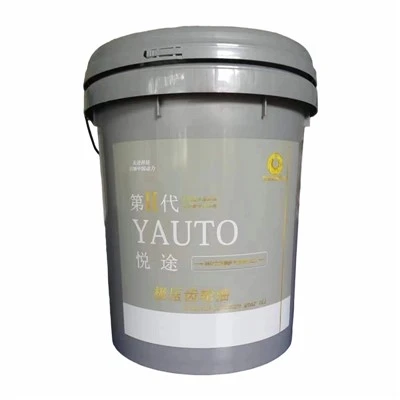
If you’re not sure what lubricant is right for your driving habits, or you’re looking for bulk lubricants for your fleet or business, feel free to reach out. We work with individual drivers, small businesses, and large fleets, and we can help you find the right product that fits your needs and budget. Don’t guess with your engine—let’s find the right match for how you drive.
Cutting Oil References
- Society of Automotive Engineers (SAE). (2021). SAE J300: Engine Oil Viscosity Classification. SAE International.
- American Petroleum Institute (API). (2022). API Engine Oil Service Categories: Gasoline Engines. API.
- Internal Lubrication Engineering Society (ILES). (2020). The Impact of Driving Cycles on Engine Lubricant Degradation. ILES.
- automotive maintenance Association (AMA). (2023). Driver Behavior and Engine Lubricant Selection Guidelines. AMA.
- ExxonMobil Lubricants & Specialties. (2022). Heavy-Duty Engine Oil Performance in City vs. Highway Driving Conditions. ExxonMobil.
MoGen Lubricating Oils
With abundant experience, we are one of the most professional automotive lubricant manufacturers and suppliers in China. We warmly welcome you to wholesale custom made automotive lubricant from our factory. If you have any enquiry about cooperation, please feel free to email us.
Address: No.8003 Chewang Rd, Economic Development Zone Of Jinan, Shandong Province, China 250301
E-mail: sales@mogenoils.com
WebSite: https://www.mogen-oil.com/
