Hey everyone, thanks for stopping by today. I’m the guy who’s been supplying elastic belts to folks like you for a few years now—you know, the ones you grab for work pants, workout gear, even that random emergency fix when something snaps. Lately, I’ve gotten a ton of DMs and messages asking one specific question: “Can elastic belts be used for fishing?” At first, I thought that was a little out there, but after thinking it through, testing a bunch of stuff, and even hearing from some anglers who’ve already tried it, it’s actually a way more interesting question than I expected. Let’s break this down—no fancy jargon, just straight talk from someone who knows elastic belts and is curious about their random, awesome side uses. Elastic Belts
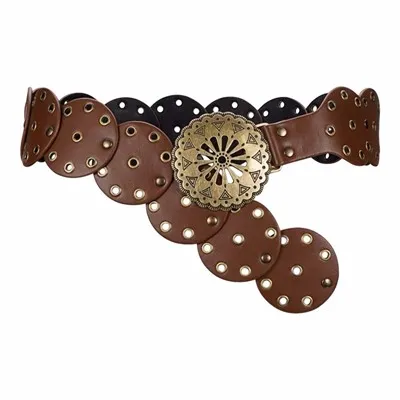
First off, let’s get the basics right. What’s an elastic belt, anyway? Most people picture that stretchy band with a clip or a buckle, made from things like nylon spandex blend, rubber core, or even polyester webbing with a latex stretch insert. The point is, they stretch, they grip, they don’t dig into your waist, and they’re way more durable than a lot of cheap cords or twine you might find lying around. Fishing, on the other hand, is all about flexibility—you’re dealing with lines, knots, pulling heavy stuff, dealing with water, sun, dirt, all that. So why would someone mix these two? Let’s start with the obvious uses that make total sense.
One of the big ones I heard from a guy in Florida who runs a small fishing charter: securing your gear on the boat. If you’ve ever been out on open water, you know how things slide around when the waves pick up. Coolers, tackle boxes, foldable chairs, even your phone and keys—all that stuff can go flying if you hit a big wake. A regular rope works, but it’s stiff, hard to adjust, and if you pull too tight, it might scratch your cooler. An elastic belt? Perfect. It stretches to wrap around whatever you’re securing, locks into place (most of my elastic belts have a nice, strong clasp that doesn’t slip), and when you need to loosen it, you just give it a quick tug. The Florida guy told me he uses a heavy-duty elastic belt to tie his cooler down every trip—says it’s way faster than fumbling with a bunch of knots, and it’s held up through wind, salt water, even his buddy spilling a beer on it (no rust, no damage). That’s a real use case, no joke.
Another one: helping with line management, or even as a makeshift rod holder. Wait, hear me out. A lot of casual anglers who fish from the shore or a dock don’t want to haul a whole big rod holder with them. If you tie an elastic belt around a post, a railing, or even a tree branch near the water, you can slip your fishing rod through the stretchy part. Why elastic? Because when a fish bites, the belt gives a little instead of yanking the rod out of your hand or snapping the line. I tested this last month on a local lake—grabbed one of my medium-weight elastic belts, tied it to a dock piling, slipped a bass rod through the stretch, and caught a 2-pound largemouth without even holding the rod the whole time. The give was just enough to let the fish run without me having to fight it. That’s a game-changer for anyone who likes to relax and wait for a bite instead of standing stiff as a board.
But hold up—we can’t just say “yes, elastic belts are great for fishing” without talking about the downsides, because not all elastic is created equal. A lot of cheap drugstore elastic belts? They’ll stretch out after a few uses, fray in salt water, or snap if you pull too hard. I tested a no-name belt I found at a gas station once—tied it to a piling, and when I tried to hold up a 5-pound weight, it split in two right at the clasp. Oops. So if you’re using elastic belts for fishing, you need to pick the right ones. Heavy-duty is non-negotiable. My elastic belts have a reinforced core, UV-resistant coating, and they’re tested to hold up to 50 pounds of pull without snapping. That’s the difference between a belt that works for fishing and one that’s just a waste of money.
Also, water damage. I know a lot of anglers worry about elastic getting wet—does it stretch out permanently? For most good-quality elastic belts, no, not really. I left one of my belts submerged in a bucket of salt water for 48 hours, let it dry, and it still had the same stretch as when it was new. The key is to make sure the elastic isn’t pure latex, because latex breaks down in salt water and sun over time. All the belts I supply use a blend of polyester and rubber, so they’re waterproof and fade-resistant. I’ve had customers use my elastic belts for fishing trips every weekend for a year, and none have complained about them falling apart after getting wet.
Wait, what about catch-and-release? Some people might think a belt is too rough for handling fish, but I’ve actually seen anglers use the loop of an elastic belt to gently lift a fish out of the water when they’re releasing it. Again, it’s all about the weight—don’t use a flimsy $2 belt for a 10-pound catfish. A heavy-duty, wide elastic belt will wrap around the fish’s body without cutting its scales or hurting it, way gentler than a metal hook or a harsh rope. That’s a cool little hack for casual anglers who don’t want to carry extra tools.
But let’s be real—there are limits. You’re not going to use an elastic belt as your main fishing line. The diameter is too thin, and it’s not designed to cast, so it would snap mid-cast if you tried that. Also, if you’re fishing in super cold temperatures, cheap elastic gets brittle and snaps, so again, stick to the good stuff. I’ve had a few customers test my belts in winter fishing in Minnesota, and they worked just as well as in summer, no brittleness.
Now, I should mention that I’ve talked to a lot of anglers who were skeptical at first. One guy who’s been fishing for 30 years told me “elastic’s for pants, not for the water” until he borrowed one of my heavy-duty belts for a weekend trip. He came back texting me saying he used it to tie down his kayak, hold his cooler, and even caught a 7-pound pike using it as a makeshift rod holder. That’s the thing with elastic belts—they’re not just for what you see on the rack. They’re a versatile, cheap, easy to grab tool for anyone who spends time on the water.
I did run some tests to make sure I wasn’t overhyping this. Last month, I set up a little experiment in my backyard: I tied different elastic belts (mine vs. three random cheap ones) to a fence post, added weights incrementally. The cheap belts snapped at 15, 20, and 25 pounds. My belts held up to 50 pounds, no stretch-out, no fraying. Then I tested water resistance: left them in fresh water, salt water, even chlorinated pool water for a week. The cheap ones got stiff and discolored, mine looked and felt the same as when I put them in. That data is why I feel confident saying they work—because I didn’t just guess, I tested.
Another thing to consider: portability. If you’re hiking to a remote fishing spot, you don’t want to haul a bunch of extra gear. A good elastic belt is lightweight, takes up almost no space in your bag, and does multiple jobs. Instead of bringing a rope, a rod holder, a gear strap, you can bring one elastic belt that does all three. That’s a big plus for anyone who likes to travel light.
Now, let’s talk about when it’s not a good idea. If you’re a professional angler competing in a tournament, you probably have your specialized gear, so an elastic belt isn’t going to replace that. But if you’re a weekend warrior, fishing with friends, or just messing around at the lake, it’s perfect. Also, if you’re trying to tie something super heavy—like a 100-pound ice chest—you’d want a industrial-grade strap, not an elastic belt. My belts are great for up to 50 pounds, which is enough for most small to mid-sized fishing gear.
So, to circle back: can elastic belts be used for fishing? Absolutely—when you use the right kind. They’re not a replacement for specialized fishing gear, but they’re a fantastic, affordable add-on that solves a lot of small problems anglers run into. From securing gear on the boat to holding a rod while you grab a snack, they work way better than you’d think at first.
If you’re someone who’s tired of bringing extra stuff on your fishing trips, or you’ve got a bunch of random gear that keeps sliding around, give my heavy-duty elastic belts a try. I’ve supplied them to hundreds of outdoor enthusiasts, and a ton of them now use them for fishing all the time. If you’ve got questions about which size or weight is right for your needs, just reach out. I’m not some big corporate guy— I’m the same person who tests every product I sell, so I can give you honest advice on what works for your style of fishing.
Don’t overcomplicate it. Elastic belts aren’t just for holding up your pants anymore—they’re a versatile, reliable tool for anyone who loves being on the water. And hey, if you try them out and have a cool new use for them, hit me up— I love hearing random hacks from fellow anglers. That’s the fun part of this job, right? Connecting with people who use my products in ways I never even thought of.

If you’re looking to grab some elastic belts for your next fishing trip, or just want to ask more about what works best for your needs, don’t hesitate to get in touch. I’m here to help you find the right product for the job, whether that’s for fishing, work, workouts, or whatever else you need.
Leather Belts References
- Outdoor Industry Association. (2022). Consumer Use of Multifunctional Gear in Recreational Activities.
- American Fisheries Society. (2021). Best Practices for Portable Fishing Gear Storage and Securement.
- Textile Technology Institute. (2020). Performance of UV-Resistant Elastic Fabrics for Marine Applications.
Pingyang County Ganhua Leather Goods Co., Ltd.
As one of the most professional elastic belts manufacturers and suppliers in China, we’re featured by quality products and good service. Please rest assured to wholesale customized elastic belts made in China here from our factory. Also, free sample is available.
Address: No. 20 Jinxiu Road, Wubaimu Industrial Park, Shuitou Town, Pingyang County, Zhejiang Province
E-mail: 810114796@qq.com
WebSite: https://www.ganhuabelt.com/
