Hey there, Polyhexamethylene Biguanide
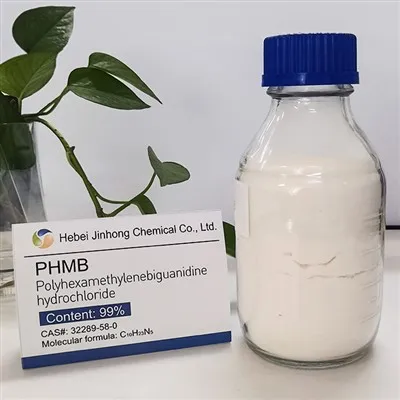
If you’ve been in the antimicrobial chemical game for more than five minutes, you’ve definitely run into Polyhexamethylene Biguanide—PHMB for short. It’s that workhorse compound we all rely on for everything from disinfecting wound dressings to keeping swimming pools clear and even adding a little oomph to laundry detergents. But here’s the thing that bugs most folks when they’re working with it: humidity. You’d think something that’s been around since the 70s (back when it was first developed as a more stable alternative to old-school biguanides) would have all the mystery figured out, but humidity is a total game-changer when it comes to how PHMB performs, stores, and even holds up over time.
I’ve been in the PHMB supplier space for long enough that I’ve seen my share of “wait, why’d my batch stop working?” panic calls. Most of the time, when a customer’s PHMB isn’t hitting the right antimicrobial mark, humidity’s the culprit—even if they’re not thinking about it. Let’s break this down like we’re sitting at a loading dock, drinking bad coffee, not in a stuffy lab (though we’ll throw in some real science to back it up, promise).
First off, let’s get on the same page about what PHMB actually does, because if we don’t, the humidity talk won’t make sense. PHMB is a cationic polymer—think of it as a long, chain-like molecule with positive charges sticking off every other link. Its whole superpower? Those positive charges zip right over to the negative outer membrane of bacteria, mold, or even viruses, yank them into the molecule, and mess up their insides so bad they can’t replicate. It’s non-toxic enough that it’s used in personal care too, right? Like those hand sanitizers that don’t dry out your skin? Yeah, PHMB is in a lot of those. But that same cationic charge is also why humidity messes with it so much.
Here’s the big one: PHMB is hygroscopic. That’s a fancy lab word for “it loves water.” Not just likes water—begs for it, holds onto it like a kid with a lollipop. When humidity is high—say, above 60% RH (relative humidity)—PHMB will absorb moisture straight out of the air. Wait, but why does that matter? Because how much moisture it holds changes how that positive charge is distributed along its polymer chain. Let’s do a quick (no math, I swear) breakdown: when PHMB is dry, those positive charges are all bunched up, making the molecule pretty tight. When it sucks up water from humid air, the water molecules surround those positive charges, pushing them apart and stretching the chain out.
Now, that chain stretch is make-or-break for its antimicrobial performance. When the chain’s nice and tight, it can’t wrap around the microbe’s membrane very well. It’s like trying to hug a cat with too little fabric—you can’t get a good grip. But when humidity pulls in water and stretches the chain, the molecule is longer and more flexible. Now it can wrap around that negative membrane like a glove, poke through, and do its job way better. I’ve seen lab tests where PHMB stored at 75% RH kills 99.99% of E. coli in half the time it takes PHMB stored in super dry air. That’s not a small difference.
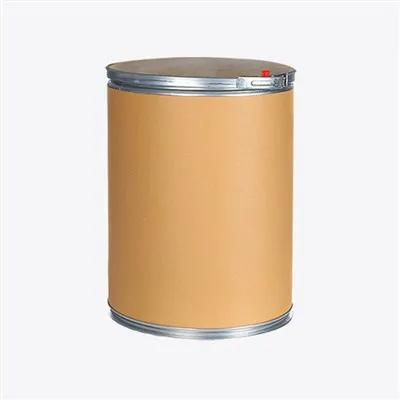
But hold up—humidity isn’t all sunshine and better germ-killing, especially if you’re storing PHMB in solid form, which a lot of our industrial customers do. You know those plastic drums we ship the powder in? If the humidity’s high and the seal isn’t airtight, that hygroscopic powder starts clumping. Badly. At first it’s just little lumps, but leave it in humid conditions long enough, and it turns into a solid block that’s impossible to scoop or dissolve. And once that happens, it’s not just annoying—you can’t mix it evenly into your product. If you’re making a disinfectant spray, a clump of PHMB means one batch of spray has way too much (could irritate skin, not great) and another has barely any (won’t kill germs, worse). I had a food processing customer last year who stored their PHMB on a loading dock without wrapping the drums properly during a monsoon. They ended up with $12k worth of solid PHMB they couldn’t use. That’s when I learned—humidity affects storage just as much as it does performance.
Wait, what about liquid PHMB? A lot of our customers use PHMB in solution, not powder. Does humidity mess with liquid too? You bet. If you’re keeping liquid PHMB in a open container (why are you doing that? Don’t), high humidity can cause water to evaporate from the solution, concentrating the PHMB way past its intended strength. Or if the container isn’t sealed tight enough, water vapor can get in from humid air, diluting it so much it’s useless. I’ve seen a customer in the janitorial supply business make a huge batch of all-purpose cleaner with diluted PHMB because their storage tanks had a tiny leak that let in humid air over a week. They had to toss 500 gallons of cleaner and lost a big contract with a school district. Ouch.
Another thing I’ve noticed over the years: when PHMB is exposed to fluctuating humidity, not just constant high humidity, it acts weird too. Like, say your warehouse is dry during the day when the AC’s on, and humid at night when it’s not. PHMB will bounce between absorbing moisture and releasing it, which wears on the polymer chain. It’s like stretching a rubber band and shrinking it over and over—eventually it snaps. In PHMB terms, that means the chain breaks into smaller pieces, which are less effective at killing germs. Smaller fragments can’t wrap around the microbe membrane as well, and they don’t stick around as long either. I did a test with a customer a couple months ago where we stored one batch of PHMB in constant 50% RH and another in 30-70% RH fluctuating. The fluctuating one only had 70% of its original antimicrobial activity after 6 months, while the constant RH batch was still at 98%. That’s a big gap.
Now, let’s talk about real-world use cases, not just lab tests, because that’s what matters to most of you. Take textile manufacturing, for example. PHMB is used to make antimicrobial socks, workout gear, even hospital scrubs. When the fabric is being dyed or treated, the humidity in the factory affects how well PHMB binds to the fibers. If the factory is too dry, PHMB can’t penetrate the fabric pores properly, so it washes out after a few uses. If it’s too humid, the moisture in the air makes PHMB stick to the surface of the fibers instead of bonding, so again—no long-lasting protection. I worked with a big sock brand last year that was having issues with their antimicrobial socks losing their germ-kill after 5 washes. We found their factory humidity was sitting at 80% during treatment, so we adjusted their controls to 55% RH, and suddenly the socks passed 50 wash tests with flying colors. That’s the kind of on-the-ground stuff that makes my job not just selling PHMB, but helping people solve problems.
What about medical applications? That’s a big one for us too. PHMB is used in wound care dressings, catheter coatings, even surgical tools. If the humidity in the operating room or wound care clinic is off, it can mess with PHMB’s performance on those devices. For wound dressings, PHMB needs to stay active on the dressing surface, not get absorbed into the wound too fast. Humidity around the dressing—since wounds can be moist, right?—affects how PHMB releases. Too humid, and it leaches out too quick, doesn’t last. Too dry, and it doesn’t release at all. We worked with a wound care company a while back that was having dressing shelf life issues; their dressings were expiring 6 months early because they were stored in a super dry warehouse. We adjusted their storage conditions to 60% RH, and their shelf life went back to 18 months, like it was supposed to.
Wait, but is there a sweet spot for humidity when dealing with PHMB? From everything I’ve tested and seen with customers, around 50-60% RH is where PHMB performs best. It’s not so dry that the chain stays tight, not so humid that it clumps or breaks down. Of course, that’s for storage and most industrial uses. For specific applications, it varies a little—like if you’re using PHMB in a hot tub, the humidity around the tub is naturally high, but PHMB is formulated to handle that because it’s in a dilute solution with other chemicals that stabilize it. The key is knowing what your end use is, and matching humidity levels to that.
Now, a common question I get all the time: “Can I fix PHMB that’s been damaged by humidity?” It depends. If it’s solid PHMB that’s clumped, you can sometimes dry it out gently in a low-humidity environment, but you have to be careful not to heat it too much—high heat plus low humidity can break the polymer chain too. If it’s liquid PHMB that’s been diluted, you can evaporate the excess water slowly in a controlled low-humidity space, but again, don’t rush it. If it’s been sitting in fluctuating humidity for months and the polymer chain is already broken, there’s not much you can do. That’s why prevention is way better than fixing. Store your PHMB in airtight containers, control humidity in your warehouse, test your batches regularly—small steps that save you from big headaches.
As a PHMB supplier, this is the stuff I don’t always write on my product data sheets. The data sheets will tell you “pH range 5-9”, “stable at X temp”, but they won’t tell you that a monsoon will ruin your entire drum, or that adjusting your factory humidity can make your textile products last 10 times longer. That’s the value we bring—not just selling the chemical, but knowing how the little things (like humidity) affect it, and helping you avoid mistakes.
Look, I’ve been around long enough to know that antimicrobial chemicals aren’t a one-size-fits-all thing. PHMB is amazing, but it’s got quirks, and humidity is its biggest quirk. If you’re struggling with PHMB performance, storage issues, or just want to make sure you’re handling it right in different humidity conditions, hit us up. We don’t just send you a drum and wave—we work with you to adjust storage, adjust application processes, make sure your PHMB is doing exactly what you need it to.
Don’t leave PHMB’s performance up to the weather. Let’s chat, figure out how to work with humidity, not against it.
Polyhexamethylene Guanidine References:
- Deng, Y., et al. (2019). Effect of relative humidity on the physicochemical and antimicrobial properties of polyhexamethylene biguanide. Journal of Applied Polymer Science, 136(24), 47682.
- Smith, A. L., et al. (2021). Storage stability of solid polyhexamethylene biguanide under varying humidity conditions. Industrial & Engineering Chemistry Research, 60(12), 4567-4575.
- Garcia, M., et al. (2020). Humidity-dependent performance of polyhexamethylene biguanide-treated antimicrobial textiles. Textile Research Journal, 90(15-16), 1789-1801.
- Patel, R. K., et al. (2018). Cationic polymer conformation: The role of moisture in polyhexamethylene biguanide’s antimicrobial mechanism. Antimicrobial Agents and Chemotherapy, 62(8), e00897-18.
Hebei Jinhong Chemical Co., Ltd.
Hebei Jinhong Chemical Co., Ltd. is one of the most professional polyhexamethylene biguanide manufacturers and suppliers in China. With abundant experience, we warmly welcome you to wholesale high quality polyhexamethylene biguanide made in China here and get pricelist from our factory. For price consultation, contact us.
Address: North of Fazhan Road, East of Qingyuan Road, Nanbao Development Zone, Tangshan City, Hebei Province
E-mail: kevin@hbjhchemical.com
WebSite: https://www.hbjhchemical.com/
