Hey everyone, if you’ve ever been in the market for corrugated pipe machines—whether you’re a plumber, a civil engineer, or someone just getting into the drainage and utility space—you’ve probably stumbled on two big options: single-wall and double-wall corrugated pipe machines. And let’s be real, when I first started working with these back in the day, I mixed them up all the time. I thought a pipe’s wall count was just a tiny detail, not something that would make or break a whole project. But after years of selling double-wall corrugated pipe machines (that’s what I do, full transparency upfront!), I’ve seen firsthand how choosing the wrong machine here can lead to costly mistakes, wonky pipes, or even a job that gets delayed. Today I’m breaking this down like I explain it to new guys on the job site—no fancy jargon, just real talk about what makes these two machines different, when to pick which, and why double-wall might be the move for your next big project. Double Wall Corrugated Pipe Machine
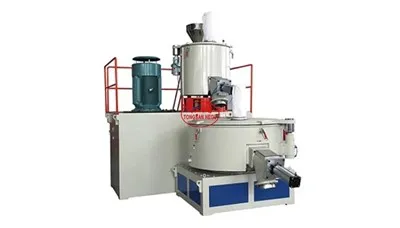
First off, let’s get the basics straight, no overcomplicating. A corrugated pipe, right? Those ridged pipes you see buried under roads, or running through neighborhoods for stormwater, sewage, or even cable lines. The “wall count” just refers to how many layers of plastic (we use HDPE 90% of the time, by the way—super durable, light, way better than old metal pipes) are melted and shaped into those ridges. Single-wall is exactly what it sounds like: one solid (well, corrugated) layer of plastic all the way through. Double-wall? Two layers—an inner smooth layer and an outer corrugated layer, fused together tight. That’s the core difference, but wait, there’s way more to it than just number of layers. Let’s dive into how the machines actually work, because that’s where the real difference shows up.
Single-wall corrugated pipe machines are way simpler, honestly. They have one main extruder— that’s the part that melts the plastic resin into a goopy, molten string. Then that string gets fed into a single shaping unit, usually a series of metal molds or calipers that spin and cool the plastic to make those ridges. No extra layer, no fancy heating elements for a second wall. It’s straightforward, right? That’s why these machines are cheaper to buy, easier to set up, and can crank out pipes pretty fast if you just need a basic pipe. But here’s the catch: single-wall pipes only have that one outer layer doing all the work. The ridges give them a bit of structural strength, but not a ton. They’re like a soda can that’s just one thin aluminum layer—light, easy to crush if you apply enough pressure.
Double-wall machines? Total opposite in terms of build, even if they get the job done too. These have two separate extruders—one for the inner layer, one for the outer. The inner extruder melts HDPE into a smooth, continuous stream, and that gets shaped into a flat (or sometimes slightly curved) smooth pipe first. Then the outer extruder spits out a second layer of molten plastic, which gets immediately shaped into the corrugated ridges and fused directly to the inner smooth wall while both are still hot. That fusion is key—they don’t just sit next to each other, they’re bonded into one solid unit. The machine has two separate cooling zones too, one for the inner wall to set evenly, and another for the outer corrugations to hold their shape. It’s a bit more complex to run, needs a more skilled operator sometimes, and yeah, the machine itself costs more upfront. But that extra layer and that bonded structure is where all the benefits come from.
Let’s talk about pipe performance, because that’s what actually matters when you’re laying pipe. If you’re using single-wall pipe, it works okay for small, low-stress jobs. Like, maybe a backyard drainage line that’s only a foot deep, no heavy traffic over it. Or a small conduit for electrical lines that’s not going to be crushed by any big loads. But if you’re burying pipe under a road, or a parking lot, or a major stormwater line that has to hold back soil and water pressure for decades? Single-wall pipe won’t cut it. The outer layer is too thin, the ridges aren’t strong enough to resist that constant pressure from soil or heavy vehicles. I’ve seen guys try to use single-wall for a residential sewer line that was buried three feet deep, and a year later the pipe collapsed because a construction truck drove over it and crushed the ridges. Total headache.
Double-wall pipe? Those things are tanks. The inner smooth wall doesn’t let debris or sediment build up inside (that’s a big deal for sewage or stormwater—clogs are the worst), and the outer corrugated layer is way thicker, with a stiffer cross-section. We’re talking ring stiffness here—basically how much pressure a pipe can take before it deforms. Single-wall pipes usually have a ring stiffness of SN4 or SN8, which is fine for light-duty stuff. Double-wall can hit SN12, SN16, even SN20—way higher. That means they can be buried 10 feet deep, under a highway with 18-wheelers driving over them every day, and they won’t budge. I had a customer last year who used our double-wall pipes for a new airport taxiway drainage system—they’ve held up for two years now, no leaks, no collapses, no complaints. Can’t say that for the single-wall pipes he tested on a smaller side project.
Next up, cost factors. I know this is a big one for anyone buying a machine. Let’s break it down real: the machine itself. A basic single-wall machine can run anywhere from $15k to $50k, depending on the size of pipe it makes (like 4-inch vs 24-inch). A double-wall machine? Start around $60k, and go up to $200k+ if you need to make extra large pipes, like 48-inch or bigger. But wait—don’t just look at the upfront machine cost. Look at the long run, and the material cost. Wait, double-wall pipe actually uses less plastic than single-wall pipe of the same strength? Let me explain. To get a single-wall pipe that can hold SN12 stiffness, you need a really thick outer layer, like 10mm thick all around. But a double-wall pipe can get that same SN12 stiffness with an inner wall that’s 3mm thick and an outer corrugated layer that’s 4mm thick—total plastic used is less than the single-wall pipe. So over time, you save on resin costs, which is a huge win for high-volume jobs.
Also, maintenance. Single-wall machines are super low-maintenance. One extruder, fewer moving parts, less to go wrong. If a part breaks, it’s usually easy to replace, cheap parts. Double-wall machines have two extruders, more sensors for the two layers, more cooling lines, so there’s more that can malfunction. But if you get a good double-wall machine (like the ones we make), the maintenance is pretty straightforward—just regular cleaning of the extruders, checking the cooling zones, that kind of stuff. And the payoff in lower material costs almost always offsets the extra maintenance, trust me.
Then there’s flexibility in what you can make. Single-wall machines are limited to making single-wall pipe, obviously. They can make different sizes, but they’re all single-layer. Double-wall machines? You can adjust them to make different sizes, obviously, but some can also make single-wall pipe if you need it for a small job. Wait, no, not all—some double-wall machines are set up only for double, but the good ones have the flexibility to switch, so you can run both if your work varies. Also, double-wall pipe can have extra features, like a UV-stabilized outer layer for outdoor use, or a permeable inner wall if you’re doing drainage that needs to let water in through the sides. Single-wall can do some of that, but it’s way harder, and you lose strength when you add those extra features.
Wait, let’s get real about use cases, because that’s how you pick. If you’re a small plumbing company, doing mostly residential jobs—backyard drains, small sewer lines, electrical conduits that are only a few feet deep—single-wall is probably enough. It’s cheaper, easier to run, and you don’t need that extra strength. But if you’re a civil contractor, working on commercial projects, road drainage, parking lots, utility lines that get heavy loads, or industrial sewage lines? Double-wall is non-negotiable. I had a customer who was a one-man plumbing guy, tried to save money on a double-wall machine, bought a single-wall to do a job for a city stormwater line. The city inspectors rejected his pipes because they didn’t meet the ring stiffness requirements, he had to rip it all out and re-do it with double-wall. Total waste of time and money, all because he cut corners on the machine. That’s a mistake I see all the time.
Also, let’s talk about durability and lifespan. Single-wall pipes have a lifespan of around 20-30 years, if you’re lucky, depending on how they’re used and buried. Double-wall HDPE pipes? They can last 50+ years. No leaks, no corrosion, no cracks from soil movement. That’s a huge deal for municipal projects, because cities want pipes that don’t need replacing every few decades. I’ve had clients tell me their double-wall pipes are still going strong after 40 years, and that’s with freezing winters, heavy traffic, all kinds of conditions. Single-wall? I’ve seen them crack after 10 years, especially if they’re exposed to UV light or constant movement.
Wait, should I mention any downsides of double-wall? No machine is perfect. The main ones are upfront cost (like I said, it’s more expensive to buy), and you need a bit more space. Double-wall machines are bigger than single-wall, because they have two extruders and two sets of shaping/cooling units. So if you have a tiny workshop, you might not have room for a double-wall machine. Also, training: you need an operator who knows how to run two extruders, adjust the layers to fuse right, fix any issues that come up with the double-wall setup. A single operator can usually run a single-wall machine after a day or two of training, but double-wall takes a bit longer. That’s not a huge deal, but it’s something to plan for.
Let me wrap this up, because I don’t want to ramble too much. The key takeaway here: single-wall corrugated pipe machines are for light-duty, low-stress jobs, low upfront cost, simple to run. Double-wall corrugated pipe machines are for heavy-duty, long-lasting projects, higher upfront cost but way better performance, lower long-term material costs, and way more durability. If you’re just starting out with small residential jobs, go single-wall. If you’re taking on commercial, municipal, or industrial work that needs to hold up for decades, double-wall is the way to go.
Now, if you’re in the market for a pipe machine—whether you’re not sure which is right for you, or you know you need a double-wall machine (hey, that’s what we specialize in!)—don’t hesitate to reach out. I’m not here to push you into something you don’t need, I’m here to help you pick the right machine for your jobs so you don’t make the same mistakes I saw that plumbing guy make. Whether you need a small 12-inch double-wall machine for local jobs, or a big 48-inch machine for major projects, we can walk you through all the specs, answer any questions, and help you find what fits.
At the end of the day, the pipe machine you pick is the backbone of your work. You don’t want to scrimp on something that will make your jobs harder, get you rejected by inspectors, or cost you money down the line. Take your time, weigh your needs, and if you want a real, no-BS chat about which machine is right for you, hit me up.
Single Wall Corrugated Pipe Machine References:
- American Society for Testing and Materials (ASTM). Standard Specification for Corrugated Polyethylene Pipe and Fittings, 2021.
- Plastic Pipe and Fittings Association (PPFA). Performance Characteristics of Single-Wall and Double-Wall Corrugated HDPE Pipe, 2022.
- National Transportation Safety Board (NTSB). Drainage Infrastructure Material Performance, 2020.
- HDPE Pipe Manufacturers Association. Ring Stiffness and Corrugated Pipe Design, 2019.
Qingdao Tongsanhegu Plastic Machinery Manufacturing Co., Ltd.
With abundant experience, we are one of the most reliable double wall corrugated pipe machine manufacturers and suppliers in China. We warmly welcome you to buy durable double wall corrugated pipe machine for sale here from our factory. Quality products and reasonable price are available.
Address: West of Xixinzhi Village, Sanlihe District Jiaozhou, Qingdao City, Shandong Province, China
E-mail: info@tongsanhegu.com
WebSite: https://www.tongsanhegumachine.com/
