What are the maintenance intervals for different parts of plastic auxiliary equipment?
As a supplier of plastic auxiliary equipment, I’ve witnessed firsthand the significance of regular maintenance in ensuring the seamless operation of these machines. In this blog post, I’ll delve into the maintenance intervals for various parts of plastic auxiliary equipment, providing you with valuable insights to keep your production running smoothly. Plastic Auxiliary Equipment
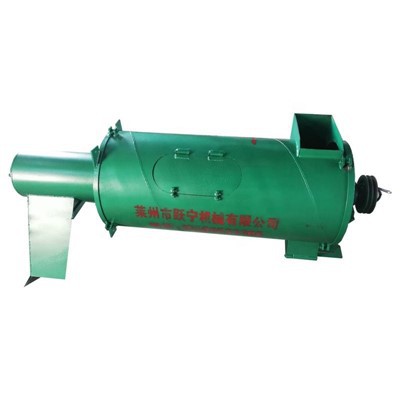
1. Hopper Dryers
Heating Elements
Heating elements are a critical component of hopper dryers, responsible for raising the temperature of the drying air. Over time, these elements can degrade due to high – temperature operation. A general rule of thumb is to conduct a visual inspection of the heating elements every three months. Look for signs of discoloration, breakage, or corrosion. If any issues are detected, immediate replacement is recommended. A thorough electrical performance check should be carried out annually. This involves measuring the resistance of the heating elements to ensure they are operating within the specified range.
Blower Motors
The blower motor circulates the heated air within the hopper dryer. To maintain its optimal performance, the blower motor should be inspected every six months. Check the motor’s bearings for signs of wear, such as excessive noise or vibration. Lubricate the bearings if necessary, following the manufacturer’s guidelines. Additionally, clean the motor’s cooling fins to prevent overheating. A comprehensive service, including a full electrical and mechanical check, should be performed on an annual basis.
Filters
The filters in a hopper dryer prevent dust and debris from entering the system. They should be cleaned or replaced every one to two months, depending on the operating environment. In a dusty environment, more frequent cleaning or replacement may be required. A clogged filter restricts air flow, reducing the drying efficiency and potentially causing overheating of the system.
2. Granulators
Blades
The blades of a granulator are the key components for cutting plastic waste into smaller pieces. These blades are subject to high – wear due to the continuous cutting action. Visual inspection of the blades should be done weekly to check for signs of dullness, chipping, or damage. Sharpen the blades as soon as signs of wear are noticed. As a general interval, the blades should be replaced every 6 – 12 months, depending on the frequency of use and the type of plastic being granulated. Harder plastics will cause the blades to wear out more quickly.
Bearings
The bearings in a granulator support the rotating shaft and blade assembly. They should be lubricated every three months to reduce friction and prevent premature wear. Inspect the bearings for any play, noise, or overheating during the quarterly lubrication process. A detailed inspection of the bearings, including disassembling and measuring the internal clearances, should be carried out annually.
Screening System
The screening system in a granulator separates the properly sized granules from the oversized ones. The screen should be checked weekly for any blockages or tears. If any issues are found, clean or replace the screen immediately. A full inspection of the entire screening mechanism, including the support frame and vibration components, should be performed every six months.
3. Conveying Systems
Belts
In belt – type conveying systems, the belts are crucial for transporting plastic materials. Inspect the belts for signs of wear, such as cracks, fraying, or misalignment, on a monthly basis. Adjust the belt tension as needed to ensure smooth operation. Replace the belts every 12 – 18 months, depending on the load and operating conditions.
Pulleys
The pulleys in a conveying system guide the belts and transfer power. Check the pulleys for proper alignment and wear every three months. Lubricate the pulley bearings if required. A more in – depth inspection of the pulleys, including checking for any damage to the surface and the integrity of the pulley hubs, should be done annually.
Vacuum Pumps (for Vacuum Conveying Systems)
Vacuum pumps are used in vacuum conveying systems to create the suction force for material transfer. The oil in the vacuum pump should be changed every three to six months, depending on the operating hours. Regularly check the pump for any leaks, strange noises, or a drop in vacuum pressure. A comprehensive maintenance service, including an internal inspection and replacement of worn – out parts, should be carried out annually.
4. Mold Temperature Controllers
Heaters
The heaters in a mold temperature controller maintain the required temperature of the mold. Conduct a weekly visual inspection of the heaters to look for any visible damage. Measure the heater’s resistance every three months to ensure it is functioning properly. Replace the heaters every 1 – 2 years, as they are prone to degradation over time.
Pumps
The pumps in a mold temperature controller circulate the heating or cooling medium. Inspect the pump for any leaks, unusual noises, or a decrease in flow rate every month. Lubricate the pump bearings every six months. A complete overhaul of the pump, including checking the impeller, seals, and motor, should be done annually.
Temperature Sensors
Temperature sensors are vital for accurate temperature control. Check the accuracy of the temperature sensors every three months using a calibrated thermometer. If there is a significant deviation, recalibrate or replace the sensors as necessary.
Why Regular Maintenance Matters
Regular maintenance of plastic auxiliary equipment offers several benefits. Firstly, it extends the lifespan of the equipment. By addressing small issues before they turn into major problems, you can avoid expensive breakdowns and the need for premature replacement. Secondly, it enhances the quality of the produced plastic products. Well – maintained equipment ensures consistent performance, which is crucial for maintaining the desired product specifications. Thirdly, it improves operational efficiency. Equipment that is properly maintained operates at its optimal level, reducing energy consumption and increasing productivity.
Contact Us for Your Maintenance and Purchase Needs
Plastic Crushing Equipment If you’re looking to optimize your plastic auxiliary equipment’s performance or are in the market for high – quality plastic auxiliary equipment, we’re here to help. Our team of experts has extensive knowledge and experience in the field and can provide you with the best solutions tailored to your specific requirements. Whether it’s advice on maintenance intervals, purchasing new equipment, or getting replacement parts, don’t hesitate to reach out to us. Contact us today to start a fruitful discussion about your plastic processing needs.
References
- "Plastic Processing Machinery Handbook," a comprehensive guide on various plastic processing machines and their maintenance.
- Manufacturer’s manuals of different plastic auxiliary equipment, which provide detailed information on maintenance schedules and procedures.
- Industry research papers on the impact of maintenance on the efficiency and lifespan of plastic auxiliary equipment.
Laizhou Yuening Machinery Co., Ltd.
As one of the most reliable plastic auxiliary equipment manufacturers in China, we warmly welcome you to buy cheap plastic auxiliary equipment made in China here from our factory. All customized machines are with high quality and low price. For pricelist, contact us now.
Address: Yuanjia Village, Luwang, Shahe Town, Laizhou City, Yantai City, Shandong Province
E-mail: yueningjixie@163.com
WebSite: https://www.ynplasticmachinery.com/
