As a seasoned supplier in the field of hydraulic systems, I’ve witnessed firsthand the pivotal role these systems play in industrial machinery. Hydraulic systems are the unsung heroes, powering everything from heavy – duty construction equipment to precision manufacturing machinery. In this blog, we’ll delve into the special requirements for hydraulic systems in industrial machinery, exploring aspects that are crucial for optimal performance, reliability, and safety. Hydraulic System

High Pressure Resistance
One of the most fundamental requirements for hydraulic systems in industrial machinery is the ability to withstand high pressures. In many industrial applications, such as metal forming and heavy lifting, hydraulic systems need to generate and maintain extremely high pressures. For instance, in a forging press, pressures can reach up to several thousand pounds per square inch (psi). This high – pressure operation demands that every component of the hydraulic system, from the pump to the hoses and valves, be designed and built to handle these extreme conditions.
Pumps used in high – pressure systems are typically positive – displacement pumps, such as piston pumps. These pumps are capable of generating the necessary force to pressurize the hydraulic fluid. However, they must be selected based on the specific pressure and flow requirements of the machinery. Additionally, the hoses and tubing in the system need to be made of materials with high tensile strength and burst pressure ratings. Rubber hoses reinforced with multiple layers of steel braid are commonly used for their durability and flexibility under high pressure.
Precision and Control
In modern industrial machinery, precision and control are of utmost importance. Hydraulic systems are often required to provide precise movement and force control. Consider a robotic arm in an automotive assembly plant. The hydraulic system that powers this arm must be able to move with high precision, positioning the arm accurately to perform tasks such as welding or painting.
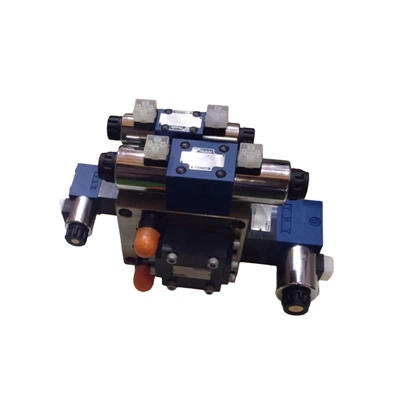
To achieve this level of precision, hydraulic systems rely on sophisticated control valves. Proportional and servo valves are commonly used in these applications. Proportional valves can control the flow and pressure of the hydraulic fluid in proportion to an electrical input signal. This allows for fine – tuning of the system’s performance. Servo valves, on the other hand, offer even higher levels of precision and can respond rapidly to changes in the input signal. They are often used in applications where very precise control of position, velocity, or force is required.
Contamination Resistance
Contamination is one of the biggest enemies of hydraulic systems. In an industrial environment, hydraulic fluids can become contaminated with dirt, dust, metal particles, and water. These contaminants can cause serious damage to the system’s components, leading to reduced performance and premature failure.
To combat contamination, hydraulic systems need effective filtration systems. Filters are installed at various points in the system, including the inlet of the pump, the return line, and the pressure line. These filters are designed to remove particles of different sizes from the hydraulic fluid. The selection of the filter depends on the type of machinery and the operating environment. For example, in a harsh outdoor construction environment, the filters need to be more robust and have a higher dirt – holding capacity.
In addition to filtration, maintaining the cleanliness of the hydraulic fluid is also crucial. This involves regular fluid analysis to monitor the condition of the fluid and detect any signs of contamination early. Proper fluid storage and handling practices, such as using clean containers and preventing moisture ingress, are also essential.
Temperature Management
Temperature can have a significant impact on the performance and lifespan of hydraulic systems. In industrial machinery, the hydraulic fluid can heat up due to the high – pressure operation and mechanical friction. Excessive heat can cause the viscosity of the fluid to decrease, leading to leaks, reduced efficiency, and increased wear on the system’s components.
To manage temperature, hydraulic systems often include cooling devices such as radiators or oil coolers. These devices use air or water to dissipate the heat generated by the system. The size and capacity of the cooling device need to be carefully selected based on the heat load of the machinery. Additionally, the hydraulic fluid itself plays a crucial role in temperature management. High – quality hydraulic fluids are formulated to have good thermal stability, meaning they can maintain their viscosity over a wide range of temperatures.
Noise and Vibration Reduction
Noise and vibration are not only a nuisance but can also indicate underlying problems in a hydraulic system. In industrial settings, excessive noise and vibration can be a safety hazard and can also lead to premature wear and failure of components.
Hydraulic pumps are often a major source of noise and vibration. To reduce these, manufacturers use various techniques. For example, some pumps are designed with multiple pistons or vanes to reduce pulsations, which are a common cause of noise. Additionally, mounting the pump on vibration – isolating pads can help to reduce the transmission of vibration to the rest of the machinery.
Valves can also contribute to noise and vibration. Proper valve sizing and selection can help to minimize these issues. For instance, using valves with smooth flow characteristics can reduce the turbulence and noise generated by the fluid flow.
Compatibility with Other Systems
In modern industrial machinery, hydraulic systems often need to work in conjunction with other systems, such as electrical, pneumatic, and mechanical systems. This requires that the hydraulic system be compatible with these other systems in terms of control, communication, and physical integration.
For example, in a fully automated manufacturing cell, the hydraulic system may need to be controlled by a central computer system. This requires the use of appropriate sensors and actuators that can interface with the electrical control system. Additionally, the hydraulic system needs to be physically integrated with other components of the machinery, ensuring that there are no interference issues and that the system can be easily maintained and serviced.
Energy Efficiency
With the increasing focus on sustainability and cost – reduction in the industrial sector, energy efficiency has become a critical requirement for hydraulic systems. Inefficient hydraulic systems can consume a large amount of energy, leading to higher operating costs and increased environmental impact.
To improve energy efficiency, modern hydraulic systems use a variety of technologies. For example, variable – displacement pumps can adjust the flow rate of the hydraulic fluid based on the actual demand of the machinery. This reduces the energy consumption compared to fixed – displacement pumps, which always operate at a constant flow rate. Additionally, the use of regenerative circuits can recover and reuse energy that would otherwise be wasted. For instance, in a hydraulic cylinder that is extended and retracted frequently, a regenerative circuit can use the pressure energy from the retraction stroke to assist in the next extension stroke.
In conclusion, the special requirements for hydraulic systems in industrial machinery are diverse and complex. From high – pressure resistance to energy efficiency, each aspect plays a crucial role in the performance, reliability, and safety of the machinery. As a hydraulic system supplier, we understand these requirements and are committed to providing high – quality, customized hydraulic solutions that meet the specific needs of our customers.
Hydraulic System If you’re in the market for a reliable and efficient hydraulic system for your industrial machinery, we’d love to have a conversation with you. Our team of experts can work with you to understand your requirements, design the optimal system, and provide ongoing support. Contact us to start the procurement and negotiation process, and let’s build a powerful hydraulic solution together.
References
- "Hydraulic Systems and Fluid Power: Theory and Applications" by George Ellis
- "Fluid Power Technology" by Festo Didactic
- Technical papers and research articles from industry – recognized organizations such as the International Fluid Power Society (IFPS)
Wuhu Zhongye Fluid Equipment Co., Ltd.
We are one of the most experienced hydraulic system manufacturers and suppliers in China, specialized in providing high quality customized products. Please feel free to wholesale bulk durable hydraulic system in stock here from our factory. Contact us for quotation.
Address: No. 2, Hexing Road, Sanshan District, Wuhu City, Anhui Province
E-mail: zhongyehydro20@163.com
WebSite: https://www.zhongyehydro.com/
