Hey there! I’m a supplier of stamped parts, and today I wanna chat about what it takes for the material toughness of stamped parts. Stamped Parts

First off, let’s understand what material toughness means. Toughness is the ability of a material to absorb energy and deform plastically before fracturing. In the world of stamped parts, this is super important. You see, when we stamp parts, they go through a lot of stress and deformation. If the material isn’t tough enough, it’ll crack or break during the stamping process, which is a huge no – no.
One of the key requirements for material toughness in stamped parts is the right chemical composition. Different elements in the material play different roles. For example, carbon is a common element in steel. A small amount of carbon can increase the strength of the material, but too much can make it brittle. So, we need to find that sweet spot. Usually, for stamped parts, a low – to medium – carbon steel is a good choice. It offers a good balance between strength and toughness.
Alloying elements also come into play. Elements like manganese, nickel, and chromium can enhance the toughness of the material. Manganese, for instance, can improve the hardenability of the steel, which means it can be heat – treated more effectively to increase its toughness. Nickel can improve the ductility and impact resistance of the material. And chromium can increase the corrosion resistance as well as the toughness.
The microstructure of the material is another crucial factor. A fine – grained microstructure generally leads to better toughness. During the manufacturing process of the material, we can control the grain size through processes like hot rolling and heat treatment. Hot rolling can break up the large grains and refine the microstructure. Heat treatment, such as annealing, can also help to achieve a more uniform and fine – grained structure.
The mechanical properties of the material are directly related to its toughness. Yield strength and ultimate tensile strength are important. The yield strength is the point at which the material starts to deform plastically. If the yield strength is too high, the material may be too brittle and less likely to deform without cracking. On the other hand, if it’s too low, the part may not be strong enough to withstand the service conditions. The ultimate tensile strength is the maximum stress the material can withstand before breaking. A good balance between these two properties is essential for the material to have sufficient toughness.
Ductility is also a key aspect. Ductility is the ability of the material to be stretched or deformed without breaking. In stamped parts, we need the material to be ductile enough to be formed into the desired shape. For example, when we’re stamping a complex – shaped part, the material needs to flow and stretch without cracking. A material with high ductility can better adapt to the stamping process and reduce the risk of defects.
Now, let’s talk about the impact of the stamping process itself on the material toughness. The stamping speed can have an effect. If the stamping speed is too high, the material may experience high – speed deformation, which can lead to increased stress and potentially reduce the toughness. On the other hand, a very slow stamping speed may not be efficient. So, we need to find an optimal stamping speed that balances the production efficiency and the quality of the stamped parts.
The die design is also critical. A well – designed die can ensure that the material is deformed evenly during the stamping process. If the die has sharp corners or irregular shapes, it can cause stress concentrations in the material, which can reduce the toughness. A smooth and well – contoured die helps to distribute the stress more evenly and minimizes the risk of cracking.
The lubrication used during the stamping process can also influence the material toughness. Good lubrication can reduce the friction between the material and the die. This not only helps to improve the surface finish of the stamped parts but also reduces the stress on the material. When the friction is high, the material may experience more wear and tear, which can lead to a decrease in toughness. So, using the right lubricant is essential.
In addition to the above factors, the service environment of the stamped parts also affects the requirements for material toughness. If the parts are going to be used in a high – impact environment, such as in automotive or aerospace applications, they need to have high toughness to withstand the shocks and vibrations. In a corrosive environment, the material needs to have good corrosion resistance in addition to toughness.
As a stamped parts supplier, I’ve seen firsthand how important it is to choose the right material with the appropriate toughness. We work closely with our customers to understand their specific requirements and then select the best materials and processes to meet those needs.
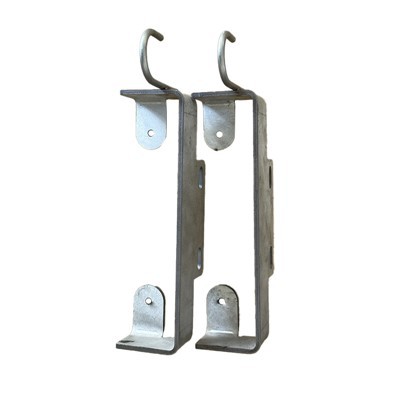
If you’re in the market for stamped parts, I’d love to have a chat with you. Whether you need parts for a simple consumer product or a high – performance industrial application, we can help. We have a team of experts who can provide you with professional advice on material selection, stamping processes, and quality control. Contact us today to start a conversation about your stamped parts needs.
Sheet Metal Parts References:
- "Metals Handbook: Properties and Selection: Irons, Steels, and High – Performance Alloys", ASM International
- "Manufacturing Engineering and Technology", S. Kalpakjian and S. Schmid
Hebei Kailu Hardware Manufacturing Co., Ltd.
We’re well-known as one of the leading stamped parts manufacturers and suppliers in China, also support customized service. Welcome to buy high quality stamped parts made in China here and get free sample from our factory. For price consultation, contact us.
Address: Yaojiubo Village, Nanpi Town, Nanpi County, Cangzhou City, Hebei Province
E-mail: 714184486@qq.com
WebSite: https://www.weldedpart.com/
