As a supplier of bulletproof glass, bullet-resistant glass, transparent armor, and ballistic glass, I’ve encountered numerous misconceptions about these essential safety products. In this blog, I aim to debunk some of the most common myths and provide accurate information to help you make informed decisions when considering bulletproof glass for your security needs. Bulletproof Glass Bullet-resistant Glass Transparent Armor Ballistic Glass
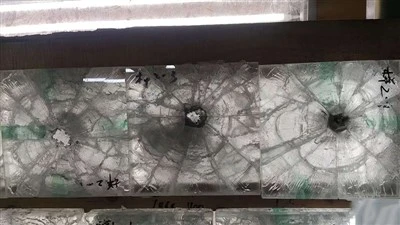
Misconception 1: All Bulletproof Glass is Completely Bulletproof
One of the most widespread misconceptions is that all bulletproof glass can stop any bullet fired at it. The reality is that the term "bulletproof" is somewhat of a misnomer. In the industry, we often use the term "bullet-resistant" because no glass is truly impervious to all types of ammunition.
Bullet-resistant glass is designed to withstand specific levels of ballistic impact based on its construction and the standards it meets. Different grades of bullet-resistant glass are rated according to their ability to stop various calibers and velocities of bullets. For example, a lower-grade bullet-resistant glass may be able to stop handgun rounds, while a higher-grade product is required to resist high-powered rifle bullets.
It’s crucial for customers to understand their specific security requirements and choose the appropriate level of bullet resistance. This involves considering factors such as the type of threats they may face, the location of the installation, and the budget available.
Misconception 2: Bulletproof Glass is Extremely Thick and Heavy
Another common myth is that bulletproof glass is so thick and heavy that it’s impractical for most applications. While it’s true that some high-level bullet-resistant glass can be relatively thick and heavy, modern manufacturing techniques have made it possible to produce thinner and lighter options without sacrificing performance.
Today’s bulletproof glass is often made using a combination of materials, such as polycarbonate and laminated glass. These materials are engineered to provide a high level of protection while minimizing weight and thickness. As a result, bullet-resistant glass can now be used in a wide range of applications, including automotive, architectural, and commercial settings.
In addition, advancements in installation methods have made it easier to incorporate bulletproof glass into existing structures. Our team of experts can work with you to determine the best solution for your project, ensuring that the glass is installed safely and efficiently.
Misconception 3: Bulletproof Glass is Always Transparent
Many people assume that bulletproof glass is completely transparent, just like regular glass. While transparency is an important characteristic of bullet-resistant glass, it’s not always possible to achieve 100% clarity, especially with higher levels of protection.
The manufacturing process for bulletproof glass involves layering different materials, which can sometimes cause a slight distortion or tint. This is more noticeable in thicker, higher-grade glass. However, manufacturers are constantly working to improve the transparency of bulletproof glass without compromising its ballistic performance.
When selecting bulletproof glass, it’s important to discuss your transparency requirements with your supplier. They can provide you with samples of different grades of glass and help you choose the option that best meets your needs.
Misconception 4: Bulletproof Glass is Expensive and Only for High-Profile Applications
There’s a common belief that bulletproof glass is prohibitively expensive and only suitable for high-profile applications, such as government buildings and banks. While it’s true that bullet-resistant glass can be more costly than regular glass, the price has become more competitive in recent years due to advancements in manufacturing technology.
In addition, the cost of bulletproof glass depends on several factors, including the level of protection required, the size and shape of the glass, and the type of installation. For smaller applications or projects with a limited budget, there are more affordable options available.
Moreover, bulletproof glass is no longer limited to high-profile settings. It’s increasingly being used in a variety of commercial and residential applications, such as schools, hospitals, and retail stores, to enhance security and protect against potential threats.
Misconception 5: Once Installed, Bulletproof Glass Requires No Maintenance
Some people think that once bulletproof glass is installed, it requires no maintenance. However, like any other building material, bulletproof glass needs regular care to ensure its long-term performance and appearance.
Proper maintenance of bulletproof glass includes cleaning it regularly with a mild detergent and a soft cloth. Avoid using abrasive cleaners or materials that could scratch the surface of the glass, as this can compromise its integrity. It’s also important to inspect the glass periodically for any signs of damage, such as cracks or delamination.
If you notice any issues with your bulletproof glass, it’s crucial to contact a professional for repairs or replacement. Our team of technicians is trained to provide comprehensive maintenance and repair services for all types of bullet-resistant glass.
Misconception 6: Bulletproof Glass is a One-Size-Fits-All Solution
Every security situation is unique, and there’s no one-size-fits-all solution when it comes to bulletproof glass. Different applications require different levels of protection, and it’s essential to choose the right type of glass based on your specific needs.
For example, a storefront in a high-crime area may require a lower level of bullet resistance compared to a government building or a military installation. Similarly, the glass used in a vehicle may need to be more lightweight and flexible than the glass used in a fixed structure.
As a supplier of bulletproof glass, we work closely with our customers to understand their requirements and recommend the most appropriate solution. Our team of experts can provide a detailed analysis of your security situation and help you choose the right type of glass based on factors such as threat level, budget, and aesthetic preferences.
Conclusion
Understanding the common misconceptions about bulletproof glass is essential for making informed decisions when it comes to your security needs. By debunking these myths, we hope to provide you with a more accurate understanding of the capabilities and limitations of bullet-resistant glass.

At [Your Company Name], we are committed to providing high-quality bulletproof glass, bullet-resistant glass, transparent armor, and ballistic glass solutions. Our team of experts has the knowledge and experience to help you choose the right product for your specific application. Whether you’re looking to enhance the security of your business, home, or vehicle, we can provide you with the best possible solution.
Bulletproof Glass for Vehicles If you’re interested in learning more about our bulletproof glass products or would like to discuss your security needs, please don’t hesitate to contact us. We look forward to working with you to provide the highest level of protection for your property and assets.
References
- Ballistics Testing Manual: National Institute of Justice.
- ASTM International Standards for Bullet-Resistant Glazing.
- Technical Publications from Leading Bulletproof Glass Manufacturers.
Shaoxing Transparent Armoring Materials Co., Ltd.
As one of the most professional bulletproof glass bullet-resistant glass transparent armor ballistic glass manufacturers and suppliers in China, we’re featured by quality products and good service. Please rest assured to buy durable bulletproof glass bullet-resistant glass transparent armor ballistic glass made in China here from our factory. We also accept customized orders.
Address: No.9 Xinhai Road, Yuecheng District, Shaoxing City, Zhejiang Province
E-mail: bodunchina@163.com
WebSite: https://www.king-armor.com/
